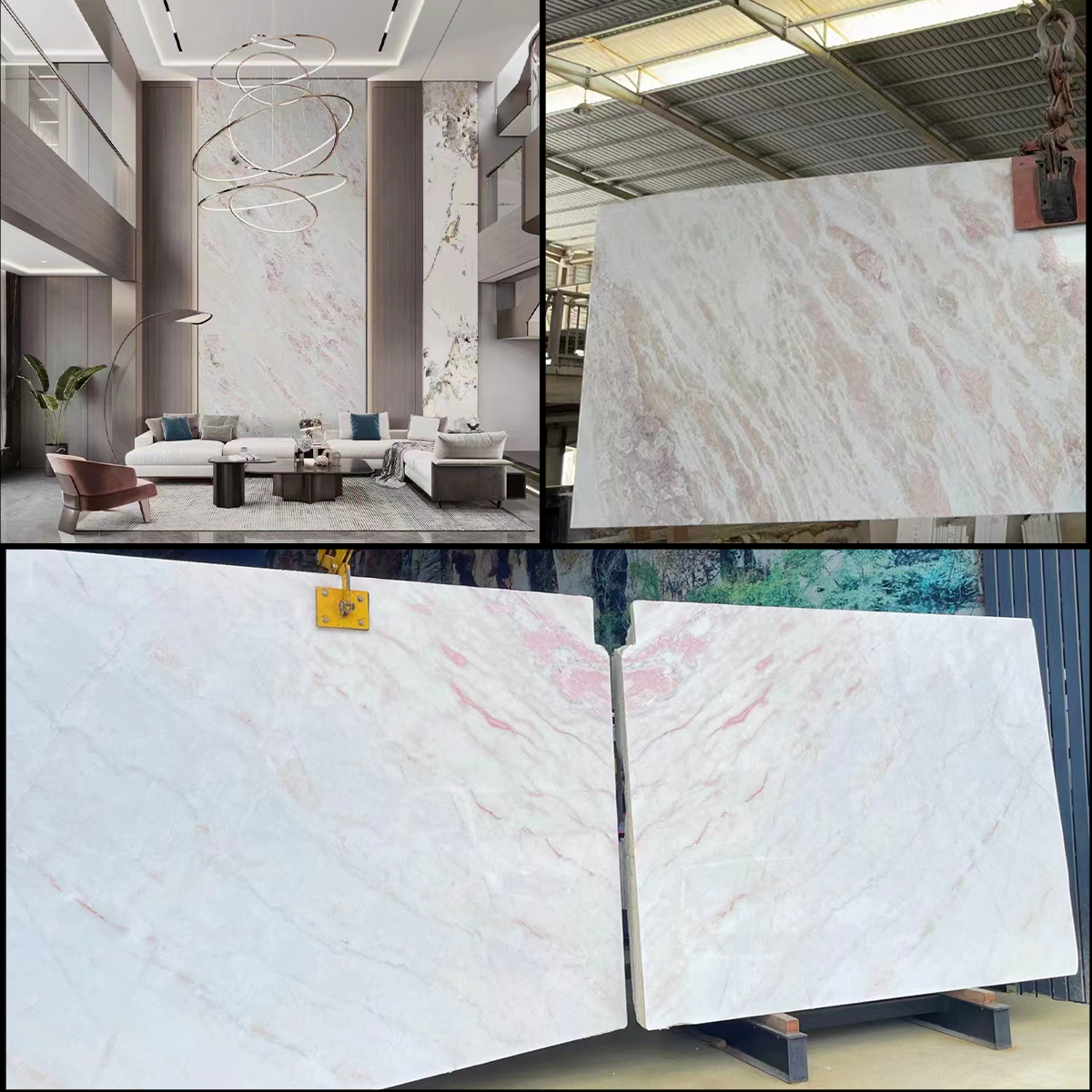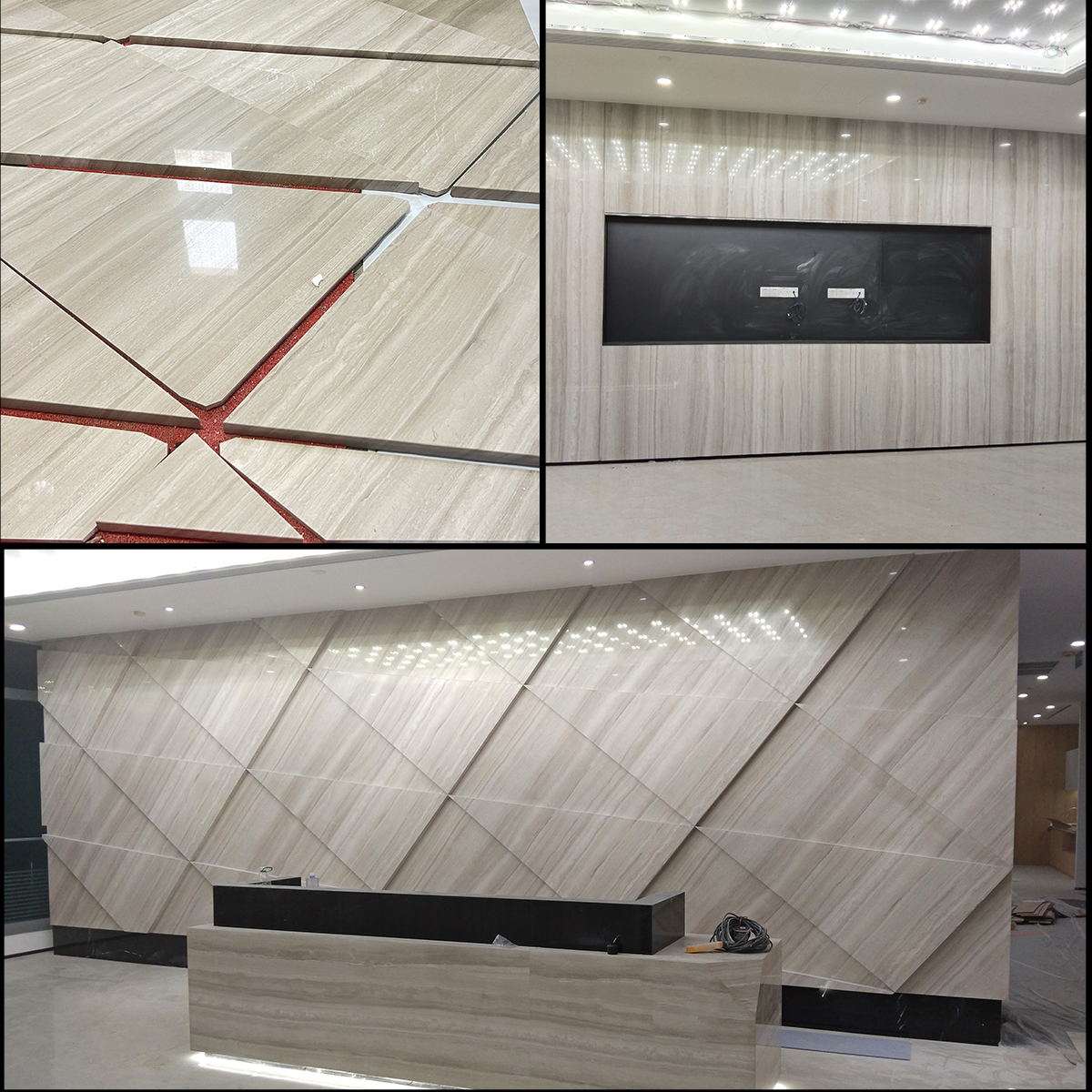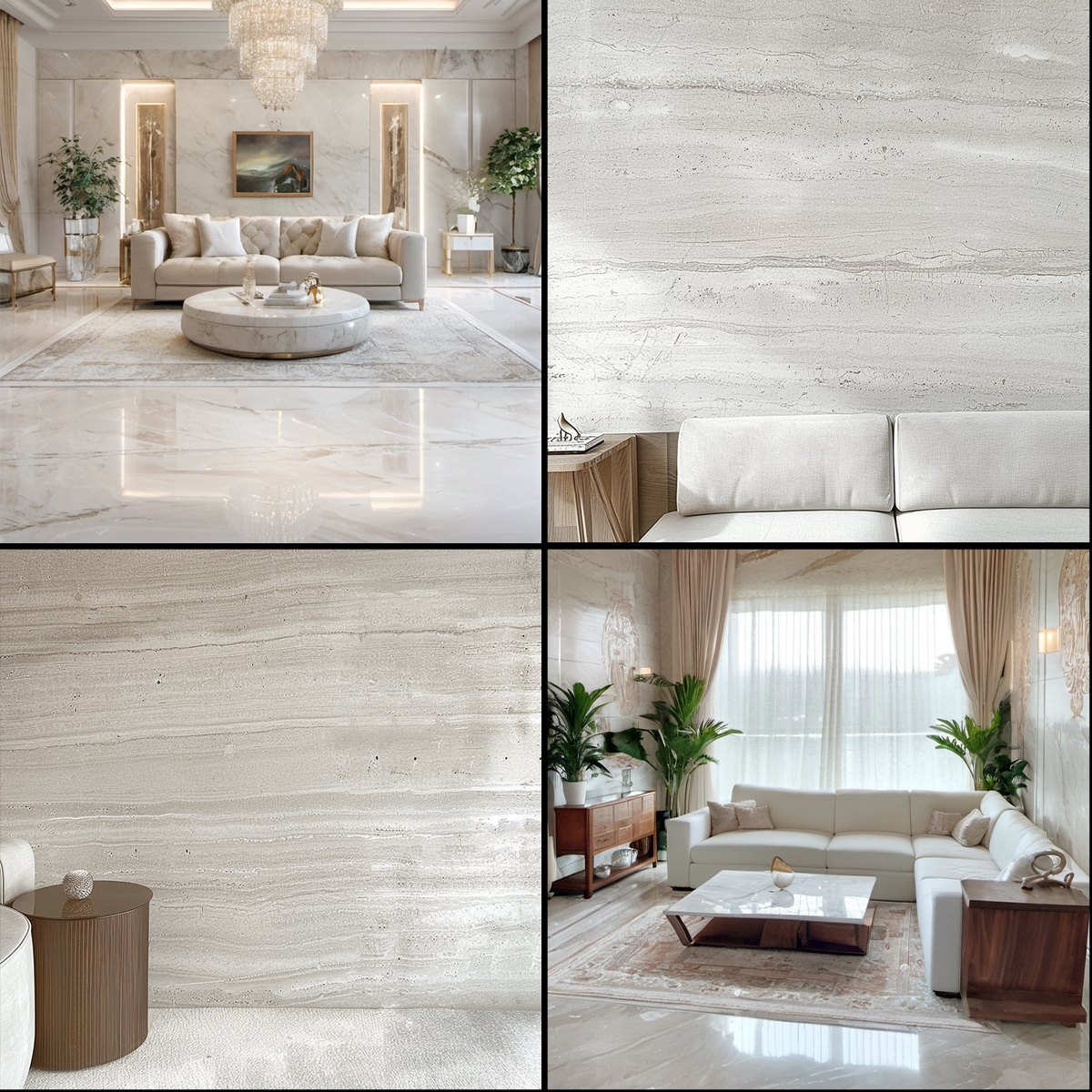









The luxury building materials market has witnessed a significant shift toward engineered stone solutions that combine natural beauty with superior performance. Quartz artificial marble represents the pinnacle of this innovation, offering architects, designers, and discerning homeowners a sophisticated alternative to traditional natural stone. This engineered material delivers the timeless elegance of marble while addressing its inherent limitations—providing enhanced durability, zero maintenance requirements, and consistent aesthetics across large-scale projects.
As construction standards evolve and sustainability becomes paramount, quartz artificial marble has emerged as the material of choice for prestigious residential estates, five-star hospitality projects, and high-traffic commercial environments. Understanding its composition, manufacturing precision, and application versatility enables informed decision-making for projects where both aesthetics and performance are non-negotiable. Whether you're specifying materials for a luxury villa, boutique hotel, or corporate headquarters, this comprehensive guide illuminates why engineering marble continues to dominate the premium surfaces market.
What Is Quartz Artificial Marble?
Quartz artificial marble is a precisely engineered stone product composed of 90-93% crushed natural quartz combined with 7-10% polymer resins, pigments, and performance additives. This composition distinguishes it from other artificial marble stone products that may use marble dust or calcium carbonate as their primary filler. The high quartz content—the second-hardest natural mineral after diamond—delivers exceptional durability and scratch resistance that far exceeds natural marble's capabilities.
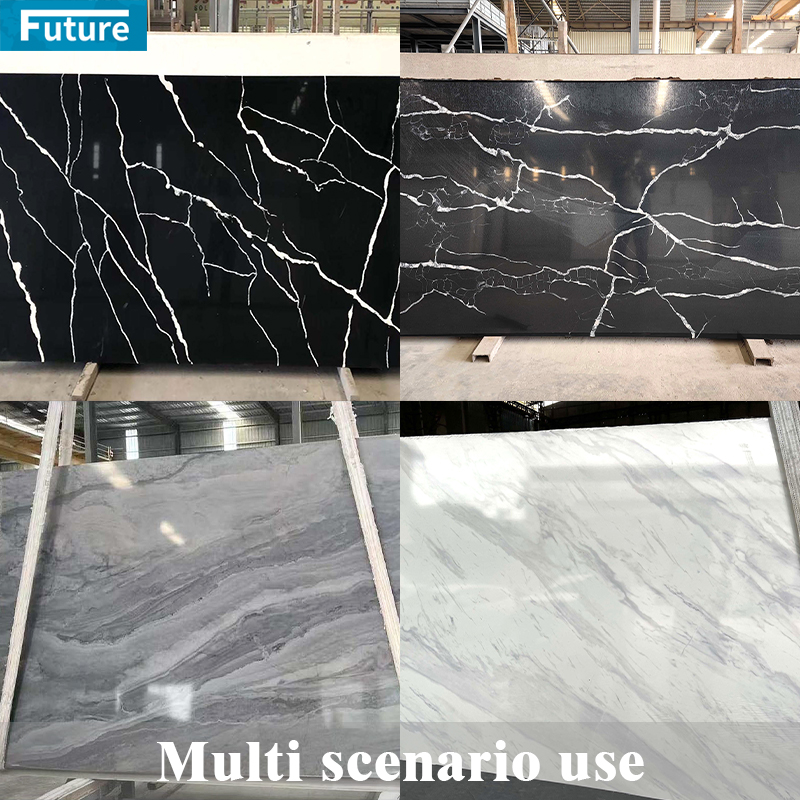
Unlike natural marble formed through geological processes over millions of years, quartz artificial marble is manufactured under controlled conditions that ensure consistent quality and appearance. The material replicates marble's distinctive veining patterns and luxurious aesthetic through advanced pigmentation techniques while eliminating natural stone's inherent weaknesses: porosity, brittleness, and maintenance demands. This fusion of beauty and performance has positioned it as an indispensable material in contemporary luxury architecture.
The development of quartz-based engineered stone began in the 1960s when Italian manufacturers pioneered techniques to combine natural minerals with resin binders. Today's advanced manufacturing processes produce slabs virtually indistinguishable from premium natural marble varieties like Calacatta and Statuario, but with performance characteristics that make them suitable for demanding applications where natural stone would fail.
For projects requiring both visual sophistication and long-term durability, What Is Artificial Marble? Complete Guide to Engineered Stone provides foundational knowledge on engineered stone options.
Composition and Raw Materials
The superior performance of quartz artificial marble stems directly from its precisely calibrated material composition. Understanding these components helps specifiers and end-users appreciate why this material commands premium positioning in luxury construction projects.
Quartz Sand and Powder: The foundation consists of 90-93% natural quartz by weight, typically ground to 1200 mesh fineness. This ultra-fine particle size ensures optimal packing density and surface smoothness. Premium manufacturers source high-purity quartz from select quarries, ensuring consistent mineral composition and color neutrality that serves as the ideal canvas for pigmentation.
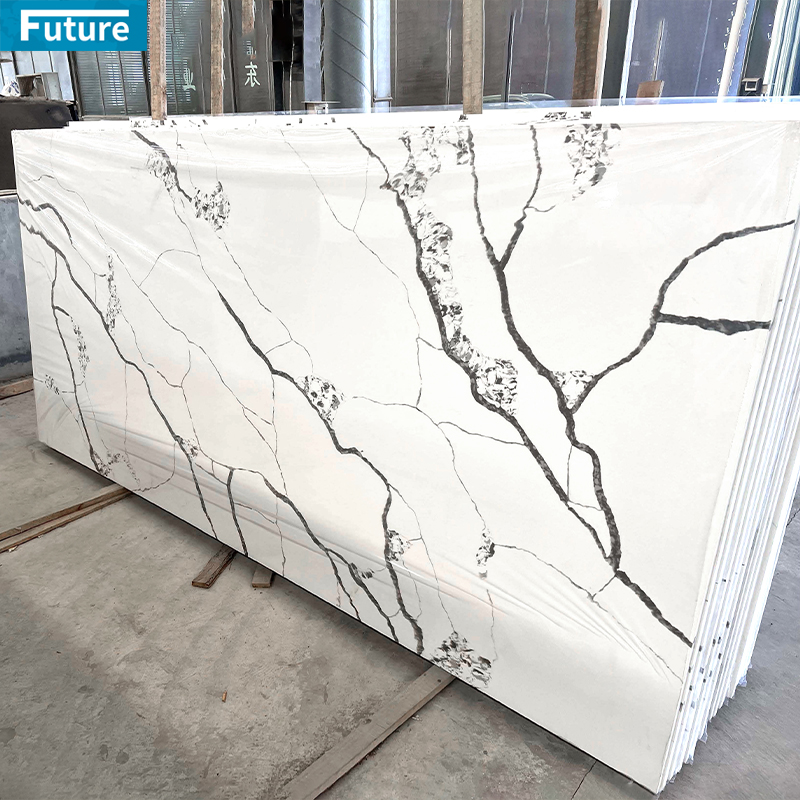
Polymer Resin Systems: Comprising 7-10% of the total weight, polymer resins act as the binding matrix that holds quartz particles together. High-quality engineering marble utilizes either polyester or epoxy resin systems, each offering distinct performance characteristics. Epoxy resins provide superior adhesion and chemical resistance, making them ideal for healthcare and food service applications. Polyester resins offer excellent UV stability for outdoor applications and large-format installations.
Pigments and Colorants: Specialized mineral-based pigments replicate the intricate veining patterns characteristic of luxury marble varieties. Advanced colorants remain stable under UV exposure and high temperatures, ensuring colors won't fade or yellow over time—a critical consideration for installations in sun-exposed areas or high-temperature environments.
Performance Additives: Modern formulations incorporate coupling agents that enhance resin-to-quartz bonding, curing agents like TBPO (tert-Butyl peroxybenzoate) that control polymerization rates, and occasionally carbon fiber reinforcement for applications requiring exceptional impact resistance. These additives distinguish premium artificial marble stone from budget alternatives that cut corners on formulation quality.
Quality manufacturers maintain rigorous raw material standards, testing each batch for particle size distribution, resin viscosity, and pigment dispersion before production. This attention to composition detail ensures every slab meets the performance expectations of luxury residential and commercial projects.
Manufacturing Process of Engineering Marble
The transformation of raw materials into finished quartz artificial marble slabs requires sophisticated manufacturing processes that combine precision engineering with quality control. Understanding this production sequence reveals why premium engineering marble commands its market position.
Raw Material Preparation: The manufacturing cycle begins with precise batching systems that weigh and measure each component according to proprietary formulations. Quartz particles undergo multiple washing cycles to remove impurities, then drying processes to achieve optimal moisture content. This preparation phase establishes the foundation for consistent slab quality.
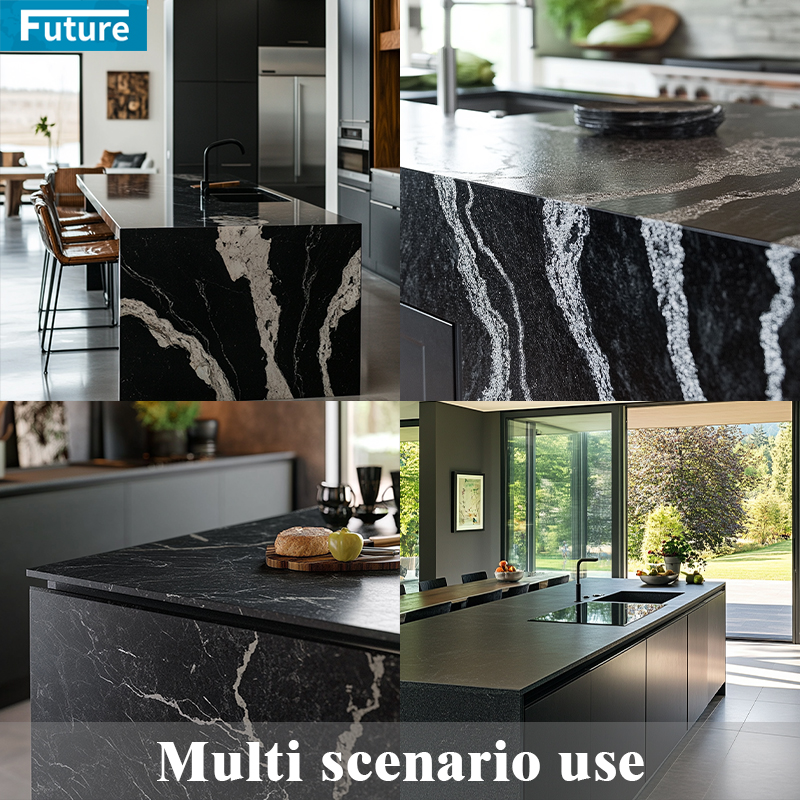
Vacuum Mixing: Components are combined in industrial mixers operating under vacuum conditions. This critical step eliminates air pockets that could compromise structural integrity or create visible defects in finished slabs. The vacuum environment also facilitates thorough pigment dispersion, ensuring veining patterns appear natural and consistent throughout the material thickness.
Vibration and Compression: The mixed material is distributed into large steel molds (typically 3000x1400mm or 3200x1600mm) where it undergoes simultaneous vibration and compression. Industrial presses apply 50-100 tons of pressure while vibratory systems compact the mixture to densities exceeding natural stone. Many premium manufacturers employ Breton technology—the industry standard for high-quality engineered stone production—which combines vibration, vacuum, and compression in a single automated process.
Thermal Curing: Molds containing compressed material move into curing ovens where controlled temperatures (25-35°C) trigger polymerization of the resin matrix. This thermal curing process typically spans 24-48 hours, during which the resin hardens and bonds permanently with quartz particles. Precise temperature control prevents thermal stress that could cause cracking or warping.
Surface Finishing: After curing, raw blanks undergo multi-stage finishing. CNC-controlled grinding equipment removes surface irregularities and achieves uniform thickness specifications. Progressive polishing stages—from coarse diamond abrasives through fine polishing compounds—develop the characteristic high-gloss finish associated with luxury marble. Premium manufacturers employ 8-12 polishing stages to achieve mirror-like surfaces.
Quality Verification: Finished slabs undergo comprehensive testing including density measurements, flexural strength analysis, and visual inspection for pattern consistency. Only slabs meeting strict specifications receive final approval for distribution to luxury residential and commercial projects.
This manufacturing precision explains the 30-40% performance advantage quartz artificial marble maintains over natural alternatives, making it the engineered stone of choice for discerning architects and designers.
Key Benefits Over Natural Marble
While natural marble has graced prestigious architecture for centuries, quartz artificial marble addresses every significant limitation of the natural stone, making it increasingly preferred for luxury projects where performance cannot be compromised.
Superior Durability: With 30-40% higher impact resistance than natural marble, quartz artificial marble withstands the demands of high-traffic commercial environments and busy residential kitchens. Its scratch-resistant surface maintains pristine appearance even in applications involving daily knife work or heavy object placement—scenarios that would permanently damage natural marble. This durability translates directly to lifecycle cost advantages and sustained aesthetic appeal.
Non-Porous Composition: The resin-sealed structure creates an impermeable surface that prevents liquid absorption, staining, and bacterial colonization. Natural marble's porous structure readily absorbs wine, coffee, oils, and acidic substances, leading to permanent discoloration. Quartz artificial marble's non-porous nature makes it particularly valuable in hospitality projects, healthcare facilities, and luxury residential kitchens where hygiene and appearance preservation are paramount.
Zero Maintenance Requirements: Natural marble demands regular sealing every 6-12 months to maintain stain resistance, with specialized pH-neutral cleaners required for routine maintenance. Quartz artificial marble eliminates these ongoing costs and inconveniences entirely. Simple warm water and mild soap preserve its beauty indefinitely—a compelling advantage for property managers overseeing multiple installations or homeowners seeking luxury without maintenance burdens.
Design Consistency: Large-scale projects involving multiple slabs benefit enormously from quartz artificial marble's pattern consistency. Natural marble's geological variation means no two slabs match perfectly, complicating installations where visual continuity matters. Manufacturing control ensures quartz slabs from the same production run exhibit identical veining patterns and color tones, critical for seamless installations in hotel lobbies, residential great rooms, or commercial facades.
Cost Efficiency: Premium quartz artificial marble typically costs 25-35% less than comparable high-grade natural marble varieties like Italian Calacatta or Statuario. When lifecycle costs are factored—including eliminated sealing, reduced replacement due to damage, and lower installation complexity—the total cost advantage often exceeds 40-50%. This positions engineering marble as the intelligent choice for budget-conscious luxury projects.
Structural Advantages: Weighing approximately 20% less than equivalent natural marble, quartz artificial marble reduces structural load requirements in multi-story installations and simplifies handling during installation. This weight advantage expands design possibilities for applications where structural capacity is constrained.
UV Stability: Advanced resin formulations and mineral pigments resist UV degradation, maintaining color fidelity in sun-exposed applications. Natural marble yellows and fades under prolonged UV exposure, limiting its suitability for outdoor installations or spaces with extensive glazing. For projects like pool surrounds, exterior facades, or sun-drenched living spaces, customized light brown artificial marble and other UV-stable options deliver lasting beauty.
Available Formats and Customization Options
The versatility of quartz artificial marble extends beyond performance to encompass extensive customization possibilities that accommodate diverse design visions and project specifications.
Standard Slab Dimensions: Industry-standard artificial marble slabs measure 3000x1400mm or 3200x1600mm, providing ample coverage for most residential and commercial applications. These dimensions minimize seaming in large installations like kitchen islands, conference tables, or lobby feature walls. Thickness options include 12mm for wall cladding, 15mm for residential countertops, 20mm for commercial countertops and furniture, and 30mm for structural elements or statement pieces requiring substantial visual mass.
Custom Fabrication: Premium suppliers accommodate project-specific dimensions through custom fabrication services. This flexibility proves invaluable for architectural elements like curved reception desks, monolithic bathtub surrounds, or bespoke furniture pieces. CNC machining capabilities enable complex edge profiles, integrated drainboards, and precision cutouts for fixtures and appliances.
Surface Finishes: Beyond the standard polished finish that defines luxury marble aesthetics, alternative textures serve specialized applications. Honed finishes provide subtle matte surfaces ideal for flooring where slip resistance matters. Leathered textures add tactile interest to feature walls or outdoor applications. Each finish option maintains the material's performance characteristics while expanding design possibilities.
Color Customization: The pigmentation flexibility of artificial marble stone enables precise color matching to project specifications. Brown artificial marble customized options range from warm honey tones to rich chocolate browns, accommodating both contemporary and traditional design palettes. Customized dark brown artificial marble delivers dramatic visual impact in luxury residential projects, while lighter variations suit minimalist aesthetics.
Pattern Replication: Advanced manufacturing techniques replicate iconic marble varieties with remarkable fidelity. Calacatta patterns featuring bold grey veining on white backgrounds suit contemporary luxury interiors. Carrara's subtle linear veining provides understated elegance for traditional spaces. Statuario's dramatic gold-toned veining creates statement surfaces in high-end hospitality projects. This pattern library enables designers to achieve specific aesthetic visions without the uncertainty and expense of sourcing rare natural stones.
Edge Profiles: Fabrication capabilities include diverse edge treatments from simple eased edges for contemporary minimalism to elaborate ogee profiles for classical elegance. Integrated edge details like drip grooves, laminated double-thickness edges, and waterfall profiles enhance both functionality and visual impact.
Luxury Residential Applications
Discerning homeowners and custom builders increasingly specify quartz artificial marble for residential applications where its combination of beauty and practicality proves invaluable.
Kitchen Countertops and Islands: The kitchen represents the most demanding residential application for surface materials—combining food preparation hazards, heat exposure, and constant visibility. Quartz artificial marble excels in this environment, resisting stains from wine and oils, withstanding hot pan placement better than natural marble, and maintaining pristine appearance despite daily knife work. Large island installations benefit from pattern consistency across multiple slabs, creating seamless visual flow that enhances kitchen grandeur.
Bathroom Luxury: Master bathroom vanities, shower walls, and tub surrounds gain both hygiene and aesthetic advantages from non-porous quartz surfaces. The material's moisture resistance prevents the mildew and discoloration issues that plague natural marble in wet environments. For those seeking cultured marble bathtub alternatives, custom fabricated tub surrounds in coordinating patterns create spa-like environments. Heated floors benefit from the material's thermal conductivity and resistance to temperature cycling.
Architectural Flooring: Grand entryways and living spaces make powerful first impressions with custom waterjet patterns in quartz artificial marble. The material's durability withstands foot traffic that would etch and dull natural marble, while its slip-resistant options enhance safety in moisture-prone areas. Pattern possibilities range from classic geometric medallions to contemporary abstract designs, all executed with the precision impossible in natural stone.
Statement Walls: Feature walls in master suites, home offices, or entertainment spaces gain dramatic impact from book-matched slabs creating symmetrical veining patterns. Full-height installations eliminate grout lines and maintenance associated with tiled alternatives. The material's lighter weight compared to natural stone simplifies installation on wood-framed walls without structural reinforcement.
Custom Furniture: The trend toward integrated stone furniture finds ideal expression in quartz artificial marble. Dining tables, coffee tables, and console pieces gain the luxury aesthetic of marble with practical benefits—wine spills wipe away cleanly, daily use won't scratch surfaces, and pattern consistency ensures pieces coordinate perfectly with other installations throughout the home.
Architectural Details: Calacatta viola fireplace surrounds and mantels, stair treads, window sills, and door surrounds complete the luxury residential aesthetic. These architectural elements benefit particularly from quartz artificial marble's consistent quality and durability—elements subject to impact and wear that would damage natural stone.
Commercial and Hospitality Projects
The commercial sector's demanding performance requirements and aesthetic expectations align perfectly with engineering marble's capabilities, explaining its dominance in prestigious hospitality and corporate environments.
Hotel Lobby Excellence: First impressions define guest experiences, making hotel lobby flooring and reception desks critical design elements. Quartz artificial marble delivers the luxury aesthetic five-star properties demand while withstanding luggage wheels, foot traffic, and continuous cleaning that would degrade natural marble. Pattern consistency across expansive lobby floors creates visual coherence impossible with natural stone's inherent variation. Durability ensures lobbies maintain pristine appearance between renovation cycles, protecting property values and guest satisfaction scores.
Food Service Applications: Restaurant and bar countertops face extraordinary challenges—acidic foods, alcohol spills, heat from service equipment, and constant cleaning. The stain-resistant, non-porous nature of quartz artificial marble makes it uniquely suited to these environments. Health inspectors favor its hygienic properties, while restaurateurs appreciate aesthetics that don't compromise on performance. The material enables statement bar tops and chef's counters that integrate seamlessly with open kitchen concepts.
Corporate Environments: Office building lobbies, elevator surrounds, and executive floor installations convey professional sophistication while meeting commercial building standards for durability and maintenance. The material's fire resistance, low VOC emissions, and LEED qualification support green building certifications increasingly required in corporate construction. Consistent patterning across multiple elevator banks or floor levels maintains design continuity in large office complexes.
Retail Installations: High-end retail environments utilize quartz artificial marble for display fixtures, checkout counters, and feature walls that reinforce brand luxury positioning. The material withstands the physical demands of merchandise handling and customer traffic while requiring minimal maintenance—critical for retail operations where staffing focuses on sales rather than facilities upkeep.
Healthcare Facilities: Hospital reception counters, laboratory surfaces, and clinical casework demand materials that prevent bacterial colonization and withstand aggressive cleaning protocols. The non-porous composition of engineering marble eliminates the surface irregularities where pathogens harbor, while its chemical resistance tolerates medical-grade disinfectants. These performance characteristics make it the preferred alternative to natural stone in healthcare settings where infection control is paramount.
Transportation Hubs: Airport terminals, rail stations, and transportation centers require materials that withstand extreme foot traffic, luggage impact, and 24/7 operation without visible wear. Quartz artificial marble's durability and low maintenance requirements align perfectly with these demands, while its luxury aesthetic enhances passenger experiences in premium terminals and lounges.
Comparing Quartz Artificial Marble to Alternatives
Informed material selection requires understanding how quartz artificial marble compares to alternative surface materials across critical performance and aesthetic dimensions.
| Characteristic | Quartz Artificial Marble | Natural Marble | Granite | Composite Marble |
|---|---|---|---|---|
| Hardness/Durability | Excellent (Mohs 7) | Moderate (Mohs 3-4) | Excellent (Mohs 6-7) | Good (Mohs 4-5) |
| Stain Resistance | Excellent (non-porous) | Poor (requires sealing) | Good (requires sealing) | Good (resin sealed) |
| Maintenance | Minimal (no sealing) | High (6-12 month sealing) | Moderate (annual sealing) | Low (no sealing) |
| Pattern Consistency | Excellent | Poor (natural variation) | Moderate | Excellent |
| Cost (per sq ft) | $60-120 | $75-250 | $75-200 | $45-80 |
| Weight | Light | Heavy | Heavy | Light |
| UV Resistance | Excellent | Poor (yellows/fades) | Excellent | Good |
| Heat Resistance | Very Good | Excellent | Excellent | Good |
| Lifespan | 15+ years | 20-50 years | Lifetime | 10-15 years |
Durability Analysis: Quartz artificial marble ranks as the second-hardest commonly used surface material after diamond, significantly outperforming natural marble's softness that makes it prone to scratching, etching, and impact damage. While granite matches quartz's hardness, it lacks the marble aesthetic many luxury projects demand. Composite marble using marble dust instead of quartz offers inferior durability despite lower cost.
Maintenance Comparison: The zero-maintenance requirement of engineering marble represents perhaps its most compelling advantage over natural stone. Natural marble's porosity necessitates professional sealing every 6-12 months at costs of $200-500 per application for typical residential installations. Over a 15-year lifespan, this maintenance investment often exceeds the initial cost differential between quartz and natural marble. For commercial installations with hundreds or thousands of square feet, maintenance cost advantages multiply dramatically.
Design Trade-offs: Natural marble enthusiasts value its unique geological variations—no two slabs match, making each installation truly one-of-a-kind. This natural variation, however, becomes problematic in large projects requiring visual consistency across multiple areas. Quartz artificial marble offers the inverse trade-off: engineered consistency that facilitates large-scale installations but lacks natural stone's organic uniqueness. Premium manufacturers address this through diverse pattern libraries and custom colorations that provide individuality within controlled parameters.
Cost-Benefit Analysis: While premium natural marbles like Calacatta command $150-250 per square foot, comparable quartz alternatives typically range $60-120 per square foot—representing 25-35% initial savings. When lifecycle costs including maintenance, premature replacement due to damage, and installation complexity are factored, quartz artificial marble's total cost advantage often reaches 40-50%. For budget-conscious luxury projects, discount artificial stone slabs offer even greater value without compromising essential performance characteristics.
Application Guidance: Select natural marble when uniqueness justifies maintenance demands and the installation faces minimal wear—perhaps a powder room vanity or protected wall cladding. Choose quartz artificial marble for high-use applications like kitchen counters, commercial installations, or any environment where maintenance minimization is priority. Granite suits outdoor applications requiring extreme weather resistance, while composite marble offers entry-level engineered stone performance at budget pricing.
Installation and Care Guidelines
Proper installation and maintenance protocols ensure quartz artificial marble installations deliver their full performance and aesthetic potential throughout their service life.
Professional Installation Requirements: While DIY enthusiasts may tackle natural stone tile projects, slab installations demand professional expertise. Fabricators utilize specialized equipment including bridge saws for precise cutting, CNC routers for complex edge profiles and cutouts, and digital templating systems ensuring perfect fit. Professional installation typically adds $40-60 per square foot to material costs but prevents costly errors and ensures warranty validity.
Substrate Preparation: Successful installations begin with properly prepared substrates. Cabinets supporting countertops must be level, square, and adequately braced—quartz slabs typically weigh 12-15 pounds per square foot. Floor installations require structurally sound, level substrates with appropriate moisture barriers. Inadequate substrate preparation causes installation failures far more frequently than material defects.
Adhesive Selection: Premium installations utilize two-part epoxy adhesives specifically formulated for engineered stone. Color-matched adhesives prevent visible seams in light-colored materials. Silicone-only installations, while sometimes attempted for cost savings, provide inadequate bonding strength and void warranties.
Seam Strategies: Strategic seam placement minimizes visual impact in installations requiring multiple slabs. Locating seams away from sight lines, aligning them with sink cutouts or cooktops, and utilizing book-matched patterns that make seams intentional design elements all contribute to seamless aesthetics. Premium fabricators achieve seams virtually invisible from normal viewing distances.
Daily Maintenance: The beauty of quartz artificial marble lies in its maintenance simplicity. Daily cleaning requires only warm water and mild dish soap applied with soft cloths or non-abrasive sponges. This simple protocol maintains pristine appearance indefinitely without specialized cleaners or treatments. Spills should be wiped promptly not because they'll stain—the non-porous surface prevents absorption—but simply for appearance and hygiene.
Avoiding Damage: While highly durable, quartz artificial marble isn't indestructible. Avoid harsh chemicals including paint strippers, oven cleaners, and high-pH cleansers that may degrade surface polish over time. Abrasive cleaning pads scratch glossy finishes. Despite heat resistance, trivets protect against thermal shock from transferring cookware directly from high-heat burners. Cutting boards prevent unnecessary knife contact that, while unlikely to damage quartz, may dull knives.
Long-Term Performance: Properly installed and maintained quartz artificial marble typically provides 15+ years of service before aesthetic refinishing becomes desirable. Unlike natural marble that etches and stains progressively, quartz maintains consistent appearance throughout its lifespan. Professional refinishing can restore like-new surface quality if desired, though this is rarely necessary before 15-20 years in residential applications or 10-15 years in commercial settings.
Selecting Quartz Artificial Marble for Your Project
Strategic material selection requires evaluating multiple factors beyond initial aesthetics to ensure long-term project success and client satisfaction.
Project Requirements Assessment: Begin by analyzing traffic levels, use patterns, and performance priorities. Residential kitchens serving large families demand different performance than guest bathroom vanities. Commercial lobbies facing thousands of daily visitors require more robust specifications than executive office installations. High-use applications justify premium grades, while protected decorative applications may accommodate value options.
Supplier Evaluation: Partner with established natural stone specialists offering comprehensive services from specification assistance through installation support. Reputable suppliers like Future Stone Group provide material samples, technical specifications, and certification documentation. Verify suppliers maintain adequate inventory to support project timelines—custom orders may require 8-12 weeks lead time from overseas manufacturers.
Sample Review: Always review full-size samples rather than small chips that inadequately represent pattern scale and color accuracy. View samples under project-specific lighting conditions, as artificial marble stone appearance varies significantly between natural daylight, warm incandescent, and cool fluorescent illumination. For large projects, request sequential samples from the same production run to verify consistency.
Composition Verification: Request detailed composition specifications including quartz content percentage, resin type, and additive formulations. Premium materials specify 90-93% quartz content—products claiming quartz designation with lower percentages sacrifice durability. Verify certifications for food contact safety (NSF/ANSI 51), low VOC emissions (GREENGUARD), and performance standards (ANSI SS373).
Budget Optimization: Balance material quality with project budgets by strategic specification. Specify premium grades for visible, high-impact areas like kitchen islands and lobby feature walls while utilizing value grades for less visible applications like bathroom backsplashes or laundry surfaces. This tiered approach optimizes both budget allocation and aesthetic impact.
Customization Planning: For projects requiring specific colors or patterns not available in standard offerings, engage suppliers early in the design process. Custom colorations typically require minimum order quantities (often 20+ slabs) and extended lead times. Customized dark brown artificial marble and other bespoke options transform standardized products into signature design elements.
Warranty Considerations: Understand warranty terms before finalizing selections. Premium manufacturers typically offer 10-15 year limited warranties covering manufacturing defects but excluding damage from improper installation, abuse, or maintenance. Verify warranty transferability for resale properties and required documentation for claims.
Installation Planning: Coordinate material selection with fabricator capabilities and project schedules. Complex edge profiles, integrated sinks, and specialty cutouts require advanced fabrication capabilities not all shops possess. Verify fabricator experience with quartz products specifically—techniques differ from natural stone processing.
Conclusion
Quartz artificial marble represents the convergence of aesthetic sophistication and technical performance that defines contemporary luxury architecture. Its precisely engineered composition—combining natural quartz's inherent durability with advanced polymer systems—delivers marble's timeless beauty while eliminating the maintenance demands and performance limitations of natural stone. From prestigious hospitality lobbies to discerning residential estates, engineering marble has earned its position as the surface material of choice where both appearance and practicality matter.
The material's competitive advantages extend across every significant dimension: 30-40% superior durability, zero maintenance requirements, 25-35% cost savings, and design consistency that facilitates seamless large-scale installations. Whether your project demands kitchen countertops that withstand daily family life, hotel lobbies that maintain luxury appearance despite heavy traffic, or custom furniture that makes sophisticated statements, quartz artificial marble delivers performance that exceeds natural alternatives.
As you advance your next luxury residential or commercial project, consider how strategic material selection influences not just initial aesthetics but long-term satisfaction and lifecycle costs. Partner with experienced suppliers who understand both the technical specifications and design applications of premium engineered stone. The investment in quality materials and professional installation pays dividends through decades of maintained beauty and trouble-free performance.
Ready to explore how quartz artificial marble can elevate your next project? Contact our specialists to review samples, discuss custom colorations, and receive expert guidance on selecting optimal specifications for your unique requirements. Transform your design vision into enduring reality with materials engineered for luxury.
FAQ
Is quartz artificial marble the same as engineered marble?
Quartz artificial marble is a specific category within the broader engineered marble family. While both are manufactured stone products, quartz artificial marble contains 90-93% natural quartz as its primary filler material, making it significantly harder and more durable than other engineered marbles that may use marble dust, calcium carbonate, or other mineral fillers. This high quartz content positions it as the premium segment of engineered stone, offering superior scratch resistance, impact strength, and longevity. Standard engineered or composite marble products typically contain lower quartz percentages (if any) combined with marble powder and resins, resulting in softer surfaces more similar to natural marble's characteristics. When specifying for demanding applications or luxury projects, verify the quartz content percentage to ensure you're receiving true quartz artificial marble rather than lower-performance alternatives.
Does quartz artificial marble need to be sealed like natural marble?
One of quartz artificial marble's most significant advantages is its completely non-porous composition that eliminates sealing requirements entirely. Natural marble's crystalline structure contains microscopic pores that absorb liquids, necessitating professional sealing every 6-12 months to maintain stain resistance—an ongoing expense and inconvenience throughout the stone's lifetime. Quartz artificial marble's resin-bound structure creates an impermeable surface where liquids remain on the surface rather than penetrating the material. This means wine, coffee, oils, and acidic substances can be wiped away without risk of permanent staining, even if left on the surface for extended periods. For luxury residential and commercial applications, this zero-maintenance characteristic translates to significant lifecycle cost savings and operational convenience. The only routine care required is simple cleaning with warm water and mild soap—no specialized products, professional treatments, or ongoing maintenance contracts necessary.
Can quartz artificial marble be used outdoors?
Quartz artificial marble demonstrates excellent suitability for outdoor applications thanks to its UV-resistant formulation and weather-resistant properties. While natural marble yellows, fades, and degrades under prolonged sun exposure and weather cycling, quality quartz products utilize UV-stable resins and mineral pigments that maintain color fidelity for decades. Common outdoor applications include pool surrounds, patio surfaces, outdoor kitchen countertops, and building facades. The material's non-porous composition prevents freeze-thaw damage in cold climates—a critical advantage over natural stone that can crack when absorbed moisture freezes. Additionally, its slip-resistant finish options enhance safety around pools and wet areas. However, verify specific product UV ratings when selecting for outdoor use, as quality varies between manufacturers. Premium suppliers provide outdoor-rated formulations specifically engineered for weather exposure. For exterior architectural elements in sun-exposed locations, UV-stable quartz artificial marble delivers lasting beauty that would be impossible with natural marble alternatives.
How does the cost of quartz artificial marble compare to natural marble?
Quartz artificial marble typically costs 25-35% less than comparable premium natural marble varieties on an initial purchase basis. While high-end natural marbles like Italian Calacatta or Statuario command $150-250 per square foot, similar-appearing quartz alternatives range $60-120 per square foot. However, the true cost advantage extends far beyond initial pricing. Natural marble requires professional sealing every 6-12 months at $200-500 per application for typical residential installations, accumulating to $3,000-7,500 in maintenance costs over a 15-year lifespan. Quartz artificial marble's zero maintenance requirement eliminates these ongoing expenses entirely. Additionally, natural marble's susceptibility to staining, etching, and damage often necessitates premature replacement or costly restoration—expenses that don't affect quartz installations. When total lifecycle costs including purchase, installation, maintenance, and replacement are calculated, quartz artificial marble typically delivers 40-50% cost savings over equivalent natural marble. For large commercial projects, these savings multiply dramatically, making engineering marble the financially prudent choice for budget-conscious luxury projects.
What thickness options are available for artificial marble slabs?
Quartz artificial marble is manufactured in four standard thickness specifications, each optimized for different applications. 12mm (approximately 1/2 inch) slabs suit wall cladding, backsplashes, and decorative applications where structural loads are minimal—this thinner option reduces weight and material costs for vertical installations. 15mm (approximately 5/8 inch) represents the standard residential countertop thickness, providing adequate strength for typical kitchen and bathroom applications while maintaining reasonable costs. 20mm (approximately 3/4 inch) serves as the commercial-grade standard, offering enhanced durability for high-traffic countertops, restaurant surfaces, and furniture applications requiring superior impact resistance. 30mm (approximately 1-1/4 inch)** delivers maximum visual mass and structural capacity for statement pieces like waterfall edge islands, commercial reception desks, or furniture requiring substantial presence. Thickness selection should balance structural requirements, aesthetic preferences, and budget considerations. Thicker materials can also be achieved through lamination techniques where thinner slabs are bonded together, creating dramatic edge details while optimizing material usage. Consult with your fabricator about appropriate thickness specifications for your specific application to ensure both performance and aesthetic success.